Wine Geek Speak: Brix

Hello Friends,
Have you ever been in a tasting room and heard the term ‘brix’ tossed out? I recall when I first got into wine and a tasting room associate commented that their Cabernet Franc came in at 24 brix, I was like, what the heck do ‘bricks’ have to do with the wine I’m about to taste (LOL). Nowadays, I’m always curious to find out the brix levels of the grapes at harvest. I guess you can say I’m a little ‘geeky’ when it comes to wine.
The Riper the Berry the Higher the Brix
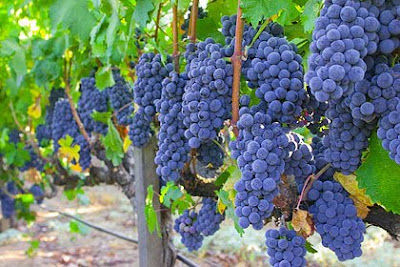 So what is brix and why do we care? Brix refers to the measurement, in degrees, of the sugar content in grapes on the vine or in grape juice. Sugar in wine grapes is essential since it ferments with yeast to produce alcohol. Alcohol in wine is an important element too. Yeah, it inspires mirth (lol), but it also affects the weight, taste, texture, and body of the wine. So the higher the brix (or percentage of sugar in the grapes), the higher the potential alcohol in the finished wine will be. Brix also tells us something about the ripeness level and quality of the grapes. For example, a Cabernet Franc picked on the low side of ripeness (low brix) may taste green (vegetal), whereas a Cabernet Franc picked when the grapes are ripe (nominal to higher brix) results in more desirable and developed flavors in the wine. As the sugar levels in the grapes increase, the acidity decreases, so balance is critical too – after all, nobody wants a dull, flat wine, right? The next time you hear someone toss out 22, 24, or 25 brix, you can take that number and estimate what is known as the 'potential alcohol'. For every degree brix there is 1 gram of sugar per 100 grams grape juice. A typical brix reading is about 18 to 25 at harvest and about 55 percent of the sugar will be converted to alcohol. Therefore, if our Cabernet Franc comes in at 24 brix then we have a shot at a little over 13 percent alcohol (ex. 24 x 55% = 13.2). At the very least, if you have never heard this term before at least you won’t get it confused with "bricks” like I did a few years ago (LOL). Now get out and enjoy some good wines and as always, Happy Sipping!
Stay tuned friends ...more to come!
Click Here to vote VA Vine Spot as your favorite wine blog - You can vote 1x per day!
Happy Sipping Friends - Tell your friends about the blog and thanks for your support and kind emails !
Dezel's Virginia Vine Spot © 2006-2009. All rights reserved.
